
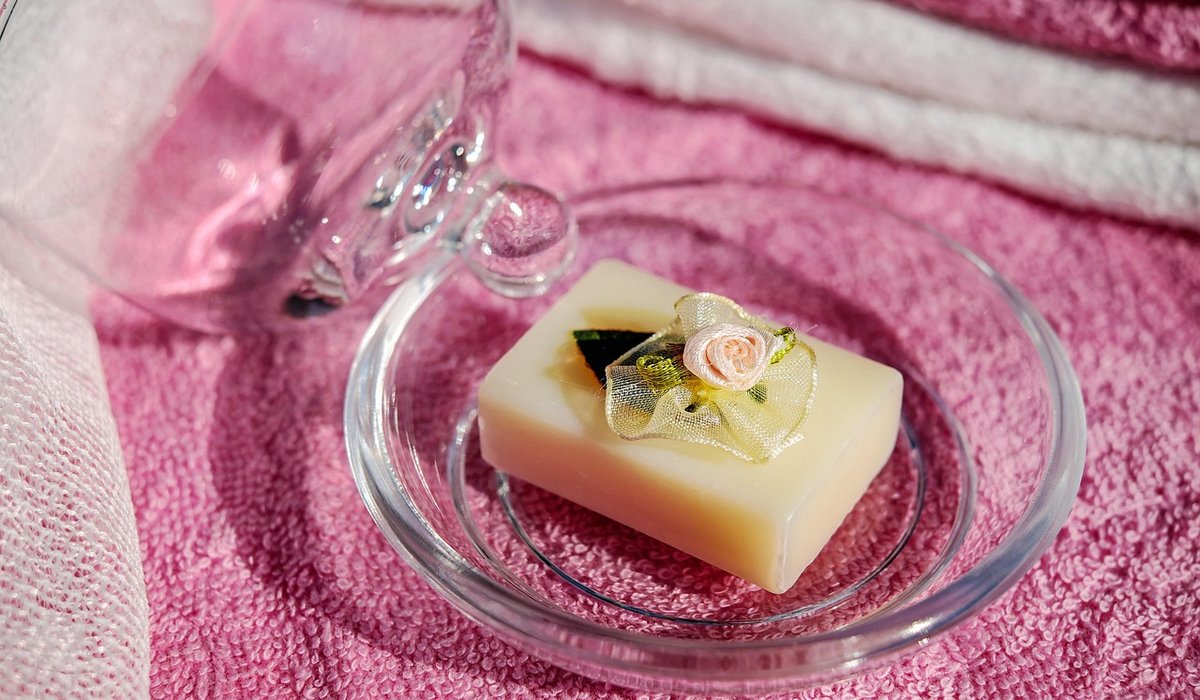
Adding Essential Oils to Goat Milk Soap
Why Essential Oils and Goat Milk Soap Work So Well Together
Goat milk soap has earned a loyal following among people with sensitive, dry, or eczema-prone skin, and rightly so. The fats and lactic acid in goat milk create a creamy, low-irritation bar that cleanses without stripping, while naturally occurring vitamins and minerals help support the skin barrier. Adding essential oils takes that gentle base and turns it into something beautifully scented and, in many cases, more beneficial still.
The trick is knowing which oils to choose, how much to use, and at what point in the soap-making process to add them. Get these details right and you will preserve both the fragrance and the therapeutic properties that make essential oils worth the expense in the first place.
Choosing the Right Oils for Sensitive Skin
Not every essential oil suits delicate skin. Citrus oils, cinnamon, clove, and many of the "spicy" oils are notorious for causing irritation, especially in leave-on products and in soap used on broken or reactive skin. For a goat milk bar aimed at sensitive complexions, three oils stand out.
- Lavender — calming, softly floral, and one of the best-tolerated oils in the world of natural skincare. It blends well with almost anything and is a sensible default for a first batch.
- Roman chamomile — gentler and sweeter than its German cousin, with a warm, apple-like scent. It is a lovely choice for babies' bars and for anyone prone to redness.
- Tea tree — fresh, medicinal, and valued for its cleansing and antibacterial properties. It is more astringent, so keep the dose modest on facial bars.
If you want to experiment further, consider a small amount of sweet orange (a "folded" or steam-distilled version lasts better in soap), palmarosa, or frankincense. All three behave well in cold-process recipes.
How Much Essential Oil to Use
The standard recommendation for cold-process soap is 3% of your total oil weight, which works out at roughly 20 to 25 grams (about 20 to 25 ml) of essential oil per kilogram of base oils. For sensitive skin, start lower — around 1.5% to 2% — and build up once you know how the bar behaves.
Do bear in mind that some fragrance is lost to saponification, the chemical reaction between lye and oils. Lye is harsh on delicate aromatic molecules, so a bar that smells strong on day one may be fainter after a six-week cure. Blending two or three complementary oils gives a more rounded, longer-lasting scent than a single oil used heavily.
An easy starting blend for a 1 kg batch: 12 g lavender, 6 g Roman chamomile, and 4 g tea tree. Warm the oils briefly in your hands or a water bath before measuring — cold essential oils can be thick and stubborn to pour accurately.
When to Add Them to the Batch
Timing matters more than most beginners expect. Essential oils are volatile, and if you add them too early, the lye will destroy much of the fragrance and much of the benefit.
- Wait for emulsion. Add your essential oils after the lye solution and oils have been blended to a light trace, or at least once you have a stable emulsion. The mixture should look like thin custard, not separated liquid.
- Keep temperatures low. If your soap batter is above 40°C, you will lose top notes quickly. Aim for 30 to 35°C.
- Stir gently, don't whisk. A few slow folds with a spatula or a short burst on a low-speed stick blender is plenty. Over-mixing introduces air and accelerates trace.
- Work quickly at the end. If you are adding the oils near thick trace, have your moulds lined and ready so the batter does not set in the jug.
Some makers also add a small "scent top-up" of essential oil at 0.5% just before pouring. It is a legitimate technique, though it does slightly increase the risk of irritation and can make trace unpredictable.
Preserving Fragrance and Skin Benefits Through the Cure
Once your bars are in the mould, the essential oils continue to settle. A few practical habits protect them.
- Cure in a cool, dark place. Light and warmth both accelerate the breakdown of aromatic compounds. A cupboard at 18 to 20°C is ideal.
- Keep the air moving. Space bars on a rack so they dry evenly; trapped moisture dulls scent.
- Wrap late. Leave soap unwrapped for the full four to six weeks, then use paper or a breathable wrap rather than tight plastic film.
- Store away from heat. A bathroom windowsill is the worst place for a scented bar — keep spares somewhere cool.
Because goat milk soaps are rich in fats and free of harsh surfactants, they hold essential oils reasonably well. Expect the scent to soften rather than vanish; many makers find the bar smells best at around the eight-week mark.
Patch Testing and Safe Practice
Even gentle oils can cause a reaction in the wrong person, so never skip testing. Before you commit a whole batch, make a small test bar with your chosen blend and use it on your inner forearm for a few days. Keep a note of your percentages so you can adjust if needed.
Remember that essential oils are potent. Store them away from children and pets, never apply them neat to skin, and label your finished bars with the oils used and the date made. If you are pregnant, breastfeeding, or managing a skin condition, check with a pharmacist or dermatologist before using tea tree or any new oil on a regular basis.
Done thoughtfully, adding essential oils to goat milk soap is one of the most rewarding steps in natural skincare. You end up with a bar that cleans gently, smells of something real, and feels like a small daily kindness for reactive skin.
tag: Soap Making

Harriet Ellison Author
Fix cracked tops, orange spots, or soft bars with practical advice on temperatures, lye concentration, and curing conditions for goat milk soap.
YOU MAY ALSO LIKE

Troubleshooting Common Goat Milk Soap Problems
Sep 8
10Build a gentle morning and evening routine using goat milk soap, fragrance-free moisturiser, and mineral sunscreen to calm reactive skin.
read more
Daily Skincare Routine for Dry Sensitive Skin
Sep 2
10Explore how the natural fats, lactic acid, and vitamins in goat milk soap may support the skin barrier for people with eczema.
read moreSoap Making
-

ERRIC CATONA
Learn when and how to apply moisturiser after washing to lock in hydration and prevent tightness, especially in cold weather.
May 19, 2016 at 5.12 pm
Reply
ERRIC CATONA
Decide if goat milk soap is suitable for your face by considering skin type, cleansing frequency, and a simple patch test.
May 19, 2016 at 5.12 pm
Reply -
ERRIC CATONA
Lactic acid offers gentle exfoliation and helps maintain moisture levels, making goat milk soap a mild choice for daily cleansing.
May 19, 2016 at 5.12 pm
Reply
Skincare
Your email address will not be published.