
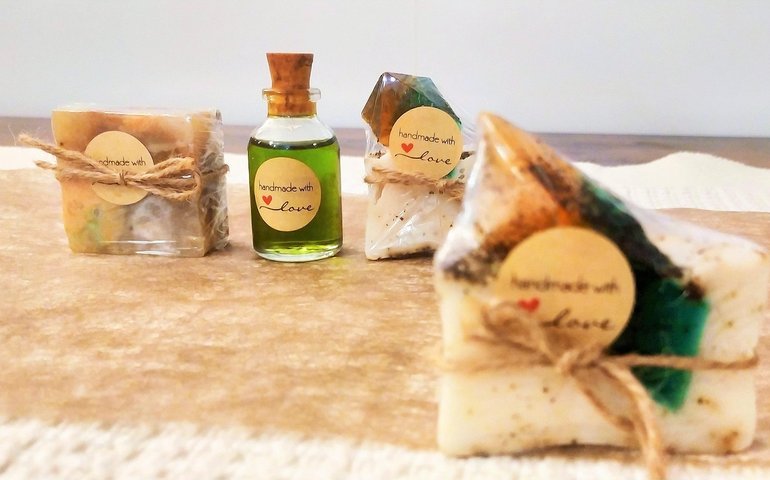
Oatmeal and Honey in Goat Milk Soap
Why Oatmeal, Honey and Goat Milk Belong Together
Goat milk soap has long been a favourite among people whose skin protests at everything else. Add colloidal oatmeal and a spoonful of local honey and you get a bar that does three jobs at once: it cleans without stripping, it soothes the itch-and-tightness cycle, and it leaves behind a soft, cushioned feel rather than that squeaky, chalky finish.
Goat milk brings a naturally creamy fat profile, plus lactic acid — a mild alpha-hydroxy acid that helps loosen dull, flaky surface cells as you wash. Colloidal oatmeal is finely milled oat that stays suspended in the bar, and honey is a humectant, meaning it draws moisture towards the skin instead of letting it evaporate away. Together they suit dry, reactive, eczema-prone and winter-beaten skin particularly well.
What Colloidal Oatmeal Actually Does
Not all oatmeal is equal. Rolled oats blitzed in your kitchen will be scratchy; colloidal oatmeal is ground to a fine, flour-like powder that disperses in water and coats the skin in a thin, breathable film. That film is the point. It helps hold moisture in and reduces the friction that makes irritated skin feel worse.
Oats also contain avenanthramides, compounds that appear to calm the nerve endings responsible for itching, and beta-glucans, which support the skin's barrier. In practice, that means less scratching after a shower — and less scratching means less broken skin.
When you are reading a label, look for colloidal oatmeal, Avena sativa kernel flour or oat kernel extract. If the bar lists only "oatmeal" with no indication of how fine it is, expect a more exfoliating, slightly grittier wash rather than a soothing one.
Choosing the Right Honey
Raw, unheated honey keeps more of its natural enzymes and antibacterial activity than the clear, pasteurised sort in a squeezy bottle. For soap, that matters less than you might think — the lye in the recipe will alter some of it — but honey still adds sugars that boost lather and glycerin that softens the finished bar.
Buying from a local beekeeper is a lovely option, and here is the honest reason: freshness, traceability and supporting a small producer. It is not a hay-fever cure, and no soap will be. What local honey does give you is a beautifully scented, slightly darker honey — think heather, bramble or wildflower — with more character than a bland supermarket blend.
If your skin is very reactive, choose a bar with honey but no added essential oils. Fragrance, even the natural kind, is the most common trigger for a reaction.
How to Use the Bar for the Best Results
Technique matters as much as ingredients. Try this routine:
- Lather the bar in your hands first, then apply the foam with your palms. Never rub the bar directly over sore, broken or freshly shaved skin.
- Use lukewarm water. Hot water strips lipids and will undo everything the oatmeal and honey are doing.
- Let the lather sit for thirty to sixty seconds before rinsing. That gives the oat film time to settle.
- Pat dry with a soft towel — do not rub — and apply a balm or body butter within three minutes, while the skin is still slightly damp.
- Keep the bar on a draining dish, out of the shower spray. Goat milk soap is soft and glycerin-rich, so it turns to mush if it sits in a puddle.
Buying Well, or Making Your Own
A good bar has a short ingredient list. Look for goat milk high on the list, colloidal oatmeal, honey, and oils such as olive, coconut, shea or sweet almond. Be cautious with anything containing sodium lauryl sulphate, synthetic parfum, or a long tail of preservatives — none of these are necessary in a properly made cold-process bar.
If you make your own, freeze the goat milk into cubes and add the lye to those cubes slowly, stirring in a sink of cold water. Milk scorches easily and turns orange if the lye hits it warm. Add the honey at trace, and remember that honey accelerates trace, so work briskly. Unmould after twenty-four to forty-eight hours, then cure the bars for four to six weeks in a cool, dark, airy spot. Curing does not just dry them out; it makes the lather milder and the bar longer-lasting.
A Few Sensible Precautions
Patch test any new bar on the inner elbow or behind the ear for twenty-four hours before using it in the bath. Oat allergy is uncommon but real, and anyone with a confirmed oat or honey sensitivity should avoid this combination.
If you have a diagnosed skin condition, use the bar alongside your prescribed treatment rather than instead of it, and mention any new product to your GP or dermatologist. With a little care, this simple trio — milk, oat and honey — remains one of the kindest washes you can give demanding skin.
tag: Ingredients

Michael Grainger Author
Plan shelter, grazing, and daily routines for a few dairy goats on a smallholding, including legal tagging and movement rules.
YOU MAY ALSO LIKE

Keeping Dairy Goats in a Small UK Holding
Aug 4
10Learn hand-milking technique, hygiene practices, and equipment cleaning to collect fresh milk safely for soap making and home use.
read more
A Beginner's Guide to Milking Goats
Jul 29
10Balance hay, pasture, and minerals to support healthy goats and produce milk with good fat and protein levels for soap.
read moreSoap Making
-

ERRIC CATONA
Recognise common ailments, arrange routine vaccinations, and provide hoof care and shelter to keep your small herd thriving.
May 19, 2016 at 5.12 pm
Reply
ERRIC CATONA
Style your bathroom with goat milk soap bars, wooden dishes, and glass jars while keeping products dry and hygienic between uses.
May 19, 2016 at 5.12 pm
Reply -
ERRIC CATONA
Use ground oats, poppy seeds, or dried lavender buds to give goat milk soap a gentle scrub without microplastics or harsh synthetics.
May 19, 2016 at 5.12 pm
Reply
Skincare
Your email address will not be published.