
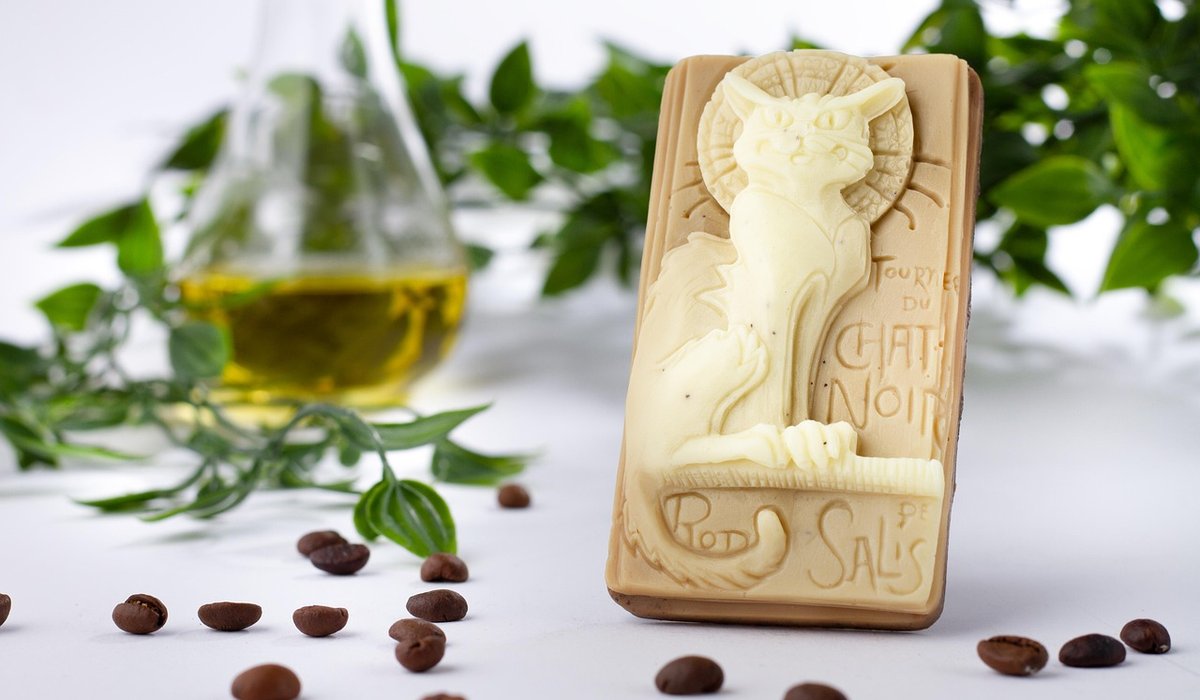
Why Goat Milk Soap Suits Eczema-Prone Skin
What Eczema-Prone Skin Actually Needs From a Cleanser
Eczema-prone skin has a barrier that does not hold together as well as it should. The outer layer loses water too quickly, irritants slip past more easily, and the whole system sits closer to the edge of a flare. A cleanser's job, then, is fairly simple in theory: lift away dirt, sweat and excess oil without stripping the lipids that keep the barrier intact. In practice, plenty of everyday soaps fail at that last part. Highly alkaline bars, heavy synthetic fragrance and harsh surfactants can leave skin feeling tight, itchy and primed to react.
This is where handmade goat milk soap has earned its following. Made properly, it is a fat-rich, creamy bar that cleans gently and rinses away without that squeaky, stripped feeling. For many people with eczema-prone skin, that difference is the first thing they notice.
How the Natural Fats in Goat Milk Support the Barrier
Goat milk is unusually high in short- and medium-chain fatty acids, including caprylic, capric and caproic acid. These molecules are small, which is part of why goat milk soap feels silky rather than harsh. In a well-made cold-process bar, those fats survive saponification and act as a buffer, softening the cleansing action so the bar does not strip the skin quite so aggressively.
Goat milk also contains natural triglycerides and lipid compounds that echo some of what human skin produces itself, including cholesterol and squalene-type components. When you wash, you inevitably remove some of your skin's own oils. A soap rich in skin-friendly fats may help replace a little of what is lost, leaving the barrier less depleted and more able to do its job.
Because the fats are naturally present, that benefit is not dependent on added butters or oils, though a good maker will use those too.
Lactic Acid: The Gentle Exfoliant Hiding in Your Soap
Lactic acid is a naturally occurring alpha-hydroxy acid, and goat milk comes with it built in. In a soap bar it is present at low strength, which is exactly what makes it useful for reactive skin. It loosens dead, flaky cells without the sting of a stronger acid peel.
Eczema-prone skin often thickens and scales in the areas that flare most. A mild, consistent exfoliation can help keep that surface smoother, so emollients and prescribed creams sit more evenly and absorb better. Lactic acid is also humectant, meaning it draws water into the upper layers of the skin. This is why goat milk soaps tend to leave skin feeling soft after a shower rather than taut.
Vitamins and Minerals: Supportive, Not Miraculous
Goat milk brings a useful range of micronutrients to the bar. Vitamin A, in its retinol precursor form, supports normal skin cell turnover. B vitamins, including B3 (niacin) and B6, are associated with barrier function and calming. Vitamin C and minerals such as zinc and selenium round out the picture, with zinc long recognised for its soothing properties.
Be realistic about the quantities. Soap is a rinse-off product, and some of these nutrients will not survive the soap-making process or will simply wash away. Think of them as a supportive extra rather than a treatment. The fats and the mildness of the formula are doing most of the work.
Choosing a Bar That Genuinely Suits Sensitive Skin
Not every bar labelled "goat milk" is gentle. A few practical things to check before you buy:
- Read the ingredient list properly. Goat milk should appear high up, not as a token splash near the end.
- Choose unscented, or essential-oil-only versions. Fragrance is one of the most common triggers for eczema-prone skin, whether it is synthetic or natural.
- Skip colourants, glitter and decorative extras. They add nothing to the skin and plenty of potential irritation.
- Look for cold-process, fully cured bars. A proper cure of four to six weeks produces a milder, longer-lasting soap.
- Check the base oils. Olive, shea, sweet almond and castor are good signs. A very high coconut oil content can feel drying for some.
- Ask about the milk percentage. A maker who is proud of their formula will tell you.
Patch Testing and a Sensible Washing Routine
Natural does not mean guaranteed safe for your particular skin. Always patch test a new bar before using it all over.
- Rub a little lather on the inner forearm and leave it for a few minutes, then rinse.
- Wait 48 hours. If there is no redness, itching or stinging, try it in the shower.
- Keep showers short and the water lukewarm rather than hot.
- Pat dry gently rather than rubbing, then moisturise within three minutes to lock in water.
- Store the bar on a draining dish so it does not sit in a puddle, which keeps it milder and longer-lasting.
Where Goat Milk Soap Fits in a Wider Routine
Goat milk soap is not a cure for eczema, and it will not replace prescribed treatment. If your skin is weeping, cracked, infected or genuinely painful, speak to your GP or pharmacist. Emollients, topical treatments and trigger avoidance do the heavy lifting in managing the condition.
What a gentle, fat-rich goat milk bar can do is remove one small source of irritation from your day and leave your barrier a little better off after every wash. For sensitive, eczema-prone skin, that is a genuinely worthwhile swap.
tag: Sensitive Skin

Thomas Ackroyd Author
Learn when and how to apply moisturiser after washing to lock in hydration and prevent tightness, especially in cold weather.
YOU MAY ALSO LIKE

Moisturising After Cleansing with Goat Milk Soap
Aug 23
10Decide if goat milk soap is suitable for your face by considering skin type, cleansing frequency, and a simple patch test.
read more
Using Goat Milk Soap for Facial Cleansing
Aug 21
10Lactic acid offers gentle exfoliation and helps maintain moisture levels, making goat milk soap a mild choice for daily cleansing.
read moreSoap Making
-

ERRIC CATONA
Understand the differences in ingredients, processing, and environmental impact between handmade goat milk soap and mass-produced cleansing bars.
May 19, 2016 at 5.12 pm
Reply
ERRIC CATONA
Natural glycerin remains in cold-process goat milk soap, attracting moisture to the skin and contributing to a creamy, non-drying lather.
May 19, 2016 at 5.12 pm
Reply -
ERRIC CATONA
Combine colloidal oatmeal and local honey with goat milk soap for a soothing bar that gently buffs and comforts dry, irritated skin.
May 19, 2016 at 5.12 pm
Reply
Skincare
Your email address will not be published.