
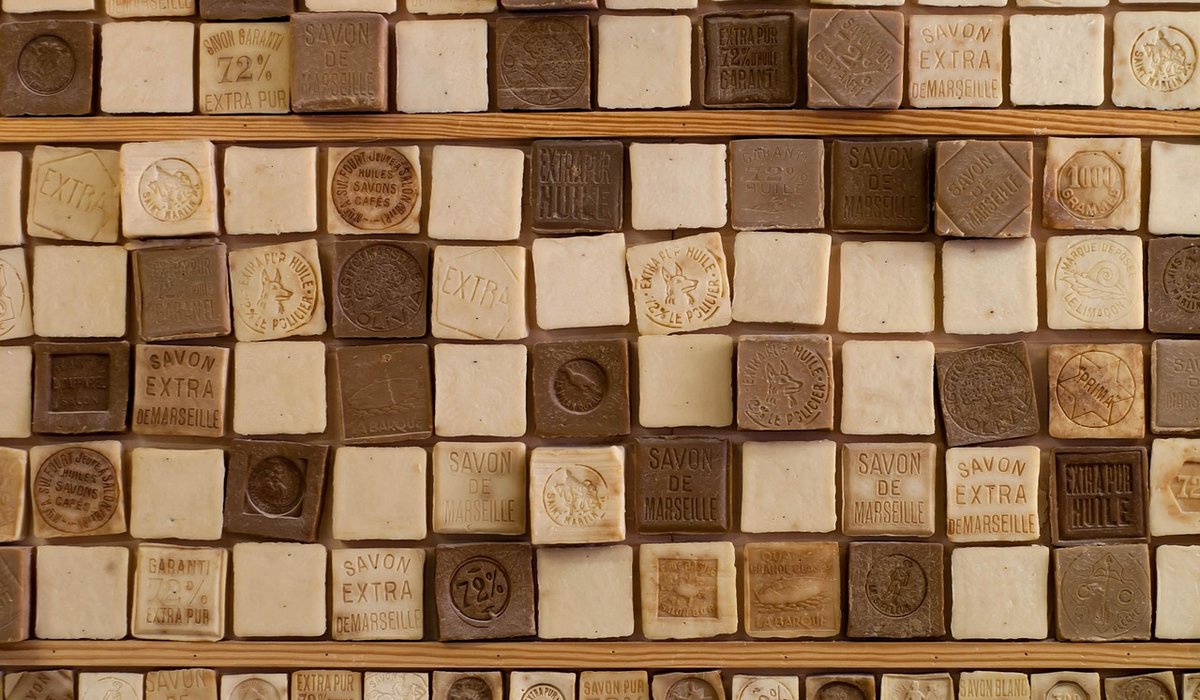
Hosting a Goat Milk Soap Workshop
Why a goat milk soap workshop works so well
Goat milk soap has a devoted following among people with sensitive skin, and for good reason. The milk brings a rich, creamy lather and a gentle feel that many mass-market bars simply cannot match, and when you make it yourself you control every ingredient. That makes it a perfect subject for a small group session: guests learn a genuinely useful skill, everyone leaves with something tangible, and nobody has to invest in equipment before they know whether they enjoy it.
Keep the group to four to six people. That is enough to make the session sociable and cost-effective, but small enough that you can watch every pair of hands around the lye. Allow two to three hours, and plan a batch of around one kilogram of oils, which yields roughly twelve bars of 100g — plenty for each guest to take home two or three.
Setting up the space and keeping everyone safe
Soapmaking uses sodium hydroxide, commonly called lye, and it demands respect rather than fear. Be upfront about this in your invitation so nobody arrives unprepared, and set a firm rule: no children, no pets and no exceptions in the making area.
Before anyone touches an ingredient, run through the essentials:
- Protective kit for all: safety goggles, nitrile gloves and long sleeves. No bare arms, no open-toed shoes.
- Ventilation: an open window or extractor fan, because lye fumes are sharp and unpleasant.
- Never add water to lye. Lye goes into the liquid, slowly, while stirring.
- Skin contact: flush with plenty of cool water for at least fifteen minutes. Keep a bottle of white vinegar nearby for wiping down worktops and spills.
- Mind your metals: use stainless steel, silicone, heatproof glass or sturdy plastic. Lye reacts badly with aluminium.
Lay down newspaper or a wipe-clean cloth, and have a dedicated jug, whisk and thermometer that never go back into the kitchen drawer.
Choosing your method before you invite anyone
There are two routes, and being honest about the difference will save you awkward conversations at the end of the evening. Cold process soap made from scratch needs four to six weeks to cure, so guests take their bars home to mature on a shelf. It is the real deal and gives the finest goat milk soap, but nobody can use it that night.
If you want instant gratification, melt-and-pour goat milk base is the answer. Guests can unmould within an hour and use their soap the next day. Many hosts run the cold process batch as the main event and offer a small melt-and-pour activity alongside it, so everyone leaves with something usable plus something to look forward to.
Measuring ingredients accurately
Weigh everything, including liquids. Volume measures are unreliable, and soap is unforgiving of guesswork. Use digital scales accurate to one gram, and pre-measure each ingredient into labelled cups before guests arrive so the session flows rather than stalls.
For goat milk soap, freeze your milk into cubes the night before. Add the lye slowly to the frozen cubes, stirring gently, and keep the mixture cool — below about 27°C is ideal. This prevents the milk from scorching, which turns the batch orange and gives it an unpleasant ammonia smell. A lye calculator will give you exact figures for your chosen recipe; a five per cent superfat is a sensible, skin-friendly starting point.
When it comes to scent and texture, keep it simple and gentle:
- Essential oils: around one to three per cent of the total oil weight. Lavender and chamomile suit sensitive skin beautifully.
- Additives: a tablespoon of finely ground oats or a teaspoon of kaolin clay per kilogram of oils adds gentle exfoliation without irritation.
- Honey: no more than a teaspoon, as too much will overheat the batch.
Bring the oils to roughly 35–40°C and the milk and lye solution to within five degrees of that, then combine and blend to a light trace — the consistency of thin custard.
Filling the moulds and the first twenty-four hours
Pour slowly into silicone loaf or cavity moulds, scraping the jug with a spatula. Tap the mould firmly on the worktop a few times to bring trapped bubbles to the surface, then smooth the top. If you like, let guests drizzle a little reserved batter over the surface for a marbled finish.
Milk soaps are prone to overheating, which causes cracking and a dark ring through the centre. Cover the mould loosely with cling film and place it in the fridge for twelve to twenty-four hours rather than wrapping it in towels. Resist the urge to peek and prod — soap needs stillness.
Curing, labelling and sending everyone home happy
Unmould after a day or two, once the bars feel firm, and cut the loaf into equal bars with a sharp knife or a wire cutter. Wear gloves, as fresh soap is still alkaline.
Give each guest a simple card with the batch date and the cure date four to six weeks later. Advise them to store bars somewhere cool, dry and airy, turning them occasionally, and to keep them away from direct sunlight. Wrap the finished bars in paper rather than plastic so they can breathe.
Finish the session with tea and a slice of something, and ask everyone to write down what they would change next time. That feedback is how a good workshop becomes a regular one — and how a kitchen table full of curious beginners turns into a small circle of confident soapmakers.
tag: Gift Ideas

Harriet Ellison Author
Learn the cold-process method for creating creamy goat milk soap, including temperature control, mould preparation, and safe handling of lye.
YOU MAY ALSO LIKE
How to Make Goat Milk Soap at Home Safely
Sep 26
10Discover how olive, coconut, and castor oils affect hardness, lather, and conditioning properties in handmade goat milk soap recipes.
read more
Choosing the Best Oils for Goat Milk Soap
Sep 20
10Blend lavender, chamomile, or tea tree oils into your soap batch while preserving their natural fragrance and skin-friendly benefits.
read moreSoap Making
-

ERRIC CATONA
Fix cracked tops, orange spots, or soft bars with practical advice on temperatures, lye concentration, and curing conditions for goat milk soap.
May 19, 2016 at 5.12 pm
Reply
ERRIC CATONA
Build a gentle morning and evening routine using goat milk soap, fragrance-free moisturiser, and mineral sunscreen to calm reactive skin.
May 19, 2016 at 5.12 pm
Reply -
ERRIC CATONA
Explore how the natural fats, lactic acid, and vitamins in goat milk soap may support the skin barrier for people with eczema.
May 19, 2016 at 5.12 pm
Reply
Skincare
Your email address will not be published.