
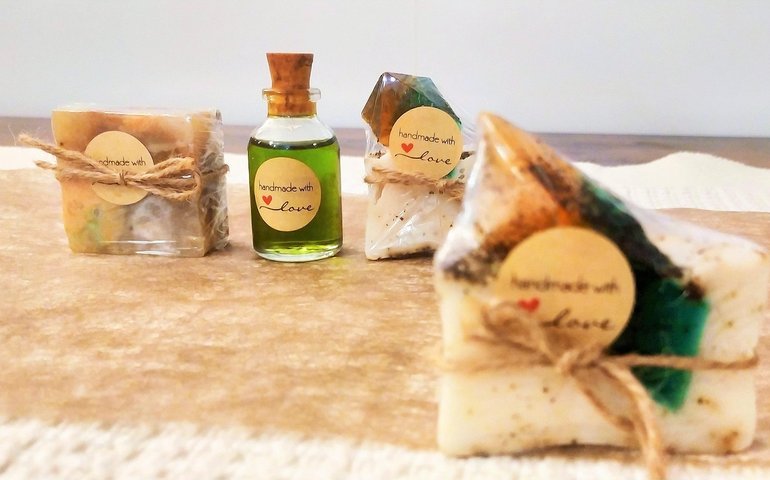
Using Goat Milk Soap for Facial Cleansing
Why Goat Milk Soap Appeals to Sensitive Faces
Goat milk soap has earned a firm place on many British bathroom shelves, and it is easy to see why. It has a reputation for being creamy, gentle and less drying than a standard bar of supermarket soap, and it is often recommended to people whose skin reacts to everything else. Some of that reputation is earned. Goat milk naturally contains lactic acid, a mild alpha-hydroxy acid that helps soften the look of dry, flaky surface skin, along with fats, triglycerides and small amounts of vitamin A and selenium.
It helps to be clear about what you are actually using, though. Most handmade goat milk soap is still soap in the technical sense: oils and butters saponified with sodium hydroxide, with goat milk replacing some or all of the water. That means the finished bar usually sits at a pH of around 9 to 10, while healthy skin sits nearer 4.5 to 5.5. A well-made bar with a high proportion of olive, coconut or shea can feel lovely, but it will still nudge your skin's acid mantle upwards for a while after cleansing. Whether that matters depends on your barrier, your water, and how you use the bar.
Matching Goat Milk Soap to Your Skin Type
There is no single answer to whether goat milk soap suits the face, because faces differ enormously. Use this as a rough guide.
- Dry or tight-feeling skin: often the best match. The fat content and lactic acid can leave skin softer than a detergent-based wash, provided you moisturise straight afterwards.
- Sensitive or reactive skin: possible, but only with a plain recipe. Fragrance, essential oils, colourants and long herb lists are common triggers, not the milk itself.
- Oily or combination skin: generally fine in the evening, particularly on the T-zone, but a rich, superfatted bar can feel heavy on the forehead and nose.
- Acne-prone skin: approach with care. Some people find the gentle exfoliation helpful; others find the residue and higher pH feed congestion. If you use prescription actives, keep the bar simple and separate from them.
- Eczema, rosacea or psoriasis: speak to your GP or a dermatologist first. A soap bar is rarely the right primary cleanser for a compromised barrier, however gentle the marketing.
If you are unsure where you sit, treat your first bar as an experiment rather than a permanent switch.
How to Cleanse with a Goat Milk Bar
Technique matters more than the label on the wrapper. A good bar used badly will still strip your face.
- Wash your hands first so you are not transferring grime to your face.
- Wet your face with lukewarm water. Hot water removes far more of your natural oils than you want.
- Rub the bar between damp palms for five to ten seconds to build a soft lather, then apply that lather with your fingertips. Do not drag the bar directly across your face.
- Keep it brief: twenty to thirty seconds is plenty. Cleansing is not a treatment step.
- Rinse thoroughly, including the hairline, jaw and sides of the nose, where residue likes to hide.
- Pat dry with a clean towel rather than rubbing.
- Follow within a minute with a simple, fragrance-free moisturiser while the skin is still slightly damp.
If you live in a hard water area, which covers much of southern and eastern England, expect more soap scum and a slightly filmy feel. A final rinse with filtered water, or a mild exfoliating toner a couple of times a week, helps counteract that.
How Often Should You Use It?
Most people cleanse more than their face needs. Twice a day with a bar soap is often too much for dry, mature or sensitive skin.
- Evening: one proper cleanse to remove sunscreen, make-up and the day's grime. If you wear heavy make-up or a high-factor SPF, remove it first with a cream or oil cleanser, then use the bar.
- Morning: a splash of lukewarm water is enough for many people. If you are oily, a quick lather is fine.
- First week: use the bar every other evening, and plain water on the nights in between.
- Then adjust: if skin feels comfortable, build to once daily. If it feels tight, squeaky or flaky, drop back.
The tell-tale sign of over-cleansing is skin that feels clean and then tight within a few minutes. That is your barrier asking for a break.
The Patch Test: A Simple Two-Stage Check
Never introduce a new bar straight onto your whole face. A patch test takes a few days and saves a lot of trouble.
- Stage one: dampen a small patch on your inner forearm, lather, leave for a minute, then rinse. Wait 48 hours.
- Stage two: if there is no reaction, lather on your jawline or behind one ear and leave for five minutes before rinsing. Wait another 24 hours.
- Watch for: redness, itching, burning, tiny bumps, or dryness that was not there before.
- Introduce slowly: once both stages are clear, use the bar every other evening for a week, then reassess.
Keep the bar dry between uses on a draining dish, and let it air out. A soggy bar grows bacteria and goes rancid faster than a well-drained one.
Signs It Isn't Working, and What to Try Instead
Goat milk soap is not for every face, and there is no shame in admitting it after a fair trial. Stop using it if you notice persistent redness, a stinging or burning sensation that lingers, new breakouts along the jaw and cheeks, or flaking and tightness that does not settle within a week of adjusting frequency.
If that happens, look for a syndet bar, a cream or milk cleanser, or a simple oil cleanser, all of which sit closer to skin's natural pH. When shopping for any bar, favour short ingredient lists, skip added fragrance and strong essential oils if your skin is reactive, and look for a maker who lists the full ingredients and lets the soap cure properly. For ongoing redness, itching or a rash that will not settle, see your GP or a pharmacist rather than working through more products.
tag: Skincare

Michael Grainger Author
Lactic acid offers gentle exfoliation and helps maintain moisture levels, making goat milk soap a mild choice for daily cleansing.
YOU MAY ALSO LIKE

Benefits of Lactic Acid in Goat Milk Soap
Aug 18
10Understand the differences in ingredients, processing, and environmental impact between handmade goat milk soap and mass-produced cleansing bars.
read more
Comparing Goat Milk Soap with Commercial Bars
Aug 14
10Natural glycerin remains in cold-process goat milk soap, attracting moisture to the skin and contributing to a creamy, non-drying lather.
read moreSoap Making
-

ERRIC CATONA
Combine colloidal oatmeal and local honey with goat milk soap for a soothing bar that gently buffs and comforts dry, irritated skin.
May 19, 2016 at 5.12 pm
Reply
ERRIC CATONA
Plan shelter, grazing, and daily routines for a few dairy goats on a smallholding, including legal tagging and movement rules.
May 19, 2016 at 5.12 pm
Reply -
ERRIC CATONA
Learn hand-milking technique, hygiene practices, and equipment cleaning to collect fresh milk safely for soap making and home use.
May 19, 2016 at 5.12 pm
Reply
Skincare
Your email address will not be published.